How to Plan OOH Media Campaigns in Egypt – From Billboards to DOOH, Mall & Retail
Outdoor advertising in Egypt is no longer about booking a single billboard. A strong OOH campaign combines billboards, DOOH screens, mall & retail media, transportation ads, and indoor placements around your audience, your goals, and your budget.
This guide shows how to build a professional OOH plan based on audience behavior, high-traffic zones, and a clear media strategy – not just random availability.
Many brands in Egypt still start their outdoor decisions by asking which billboard is available, instead of asking what the campaign needs to achieve. That approach can waste budget and limit performance.
A better OOH plan starts with a full understanding of your business, your audience, and the places where your customers live, work, commute, shop, and gather. Once that picture is clear, the media mix becomes much easier to build.
This guide builds on other resources like
Smart Outdoor Campaign Planning in Egypt,
OOH Egypt 2026: Turn Outdoor into Sales Driver,
and
Digital Out-of-Home Advertising in Egypt 2026,
but focuses specifically on how to plan campaigns step by step.
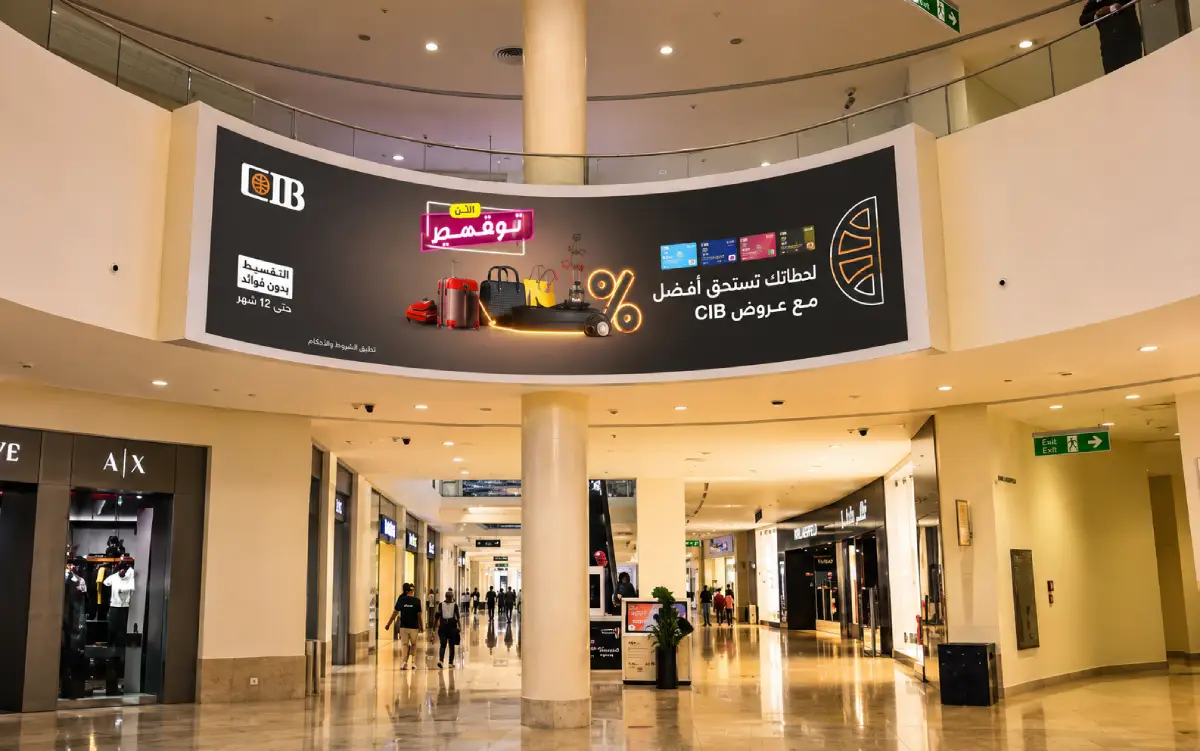
Retail & mall advertising is one of the key layers in a complete OOH plan.
What Does OOH Planning Really Mean?
OOH media planning is the process of choosing the right outdoor media formats, locations, and timing based on campaign goals, audience behavior, and budget. It is both a strategic and a commercial process, and it sits behind every strong outdoor campaign in Egypt.
Instead of buying media randomly, a planned campaign matches each format to a role: billboards for reach, DOOH for flexibility, mall & retail media for decision-making, transportation ads for repetition, and indoor media for targeted exposure.
For a deeper look at how smart plans are built, you can read
Smart Outdoor Campaign Planning in Egypt.
Start with the Business, Not the Billboard
Every business has its own geography. A retail brand may need coverage around shopping areas and residential districts, while a B2B company may need exposure near business towers, office clusters, and key commuting routes.
That is why we begin every plan with a clear study of the business category, target audience, and market location. A campaign for a new restaurant chain should not look the same as a campaign for a bank, clinic, or real estate project.
This principle is also behind content like
Billboard Prices in Egypt 2026,
where pricing is explained in the context of location, format, and value – not as numbers in isolation.
Understanding where shoppers spend time is essential for planning effective OOH campaigns.
Study Your Audience, Congestion Areas, and Gathering Points
A professional OOH plan should be based on where your audience actually moves, not just where the biggest signs are available. We look at congestion points, commuting paths, commercial zones, shopping clusters, and high-traffic gathering spots that match your customer profile.
- Congestion areas: roads and junctions with heavy daily traffic and strong visibility.
- Gathering points: malls, business districts, retail clusters, universities, entertainment zones, and transport hubs.
- Audience fit: locations that match your target age, income level, lifestyle, and buying intent.
- Catchment areas: zones that support your branches, stores, services, or delivery coverage.
This mapping is the foundation for turning outdoor from “extra exposure” into an actual sales driver, as discussed in
OOH Egypt 2026: Turn Outdoor into Sales Driver.
Which OOH Formats Work Best?
Different media formats play different roles. The best campaigns combine them instead of relying on just one channel.
You can explore specific format guides like
Digital Out-of-Home Advertising in Egypt 2026
and
Guide to Retail & Mall Advertising in Egypt.
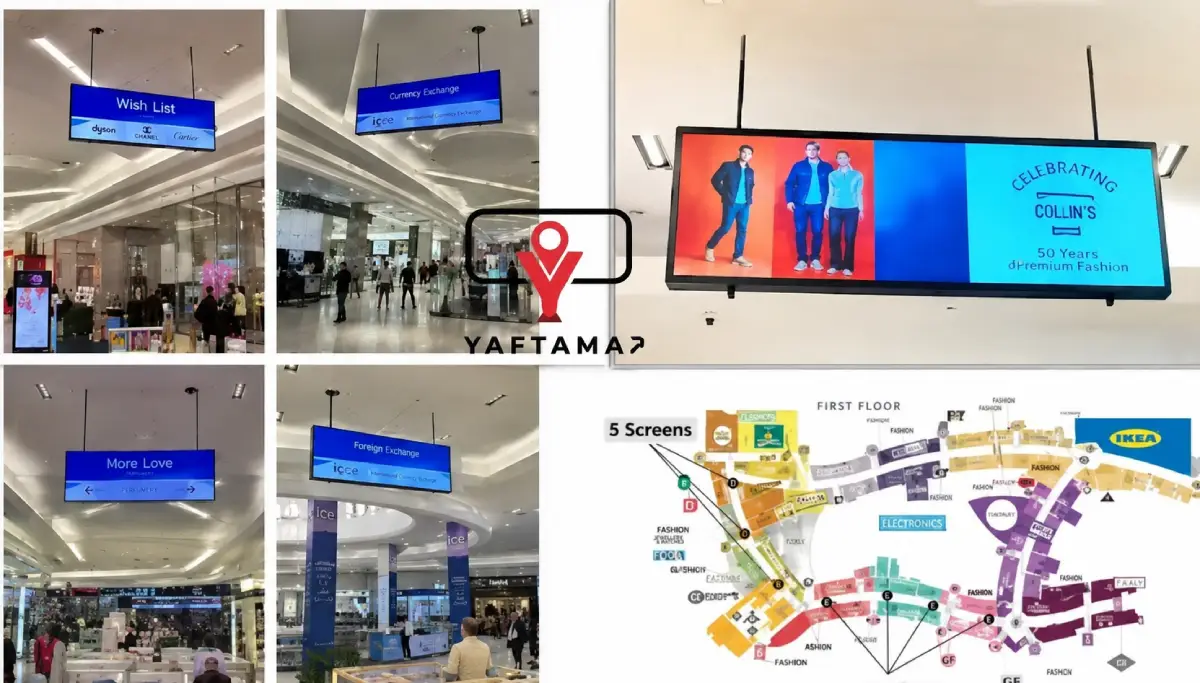
DOOH screens, in particular, give brands the ability to update messages, run different creatives by time of day, and sync outdoor content with digital campaigns. They are especially useful in high-traffic zones and around commercial hubs.
Digital OOH screen used for flexible, high-visibility campaign messaging in Egypt.
Real Campaign Scenarios: How It Works in Practice
To make the planning process more concrete, here are three typical scenarios that show how formats, locations, and budgets come together in real campaigns.
Scenario 1 – Restaurant Chain Launch
Goal: Drive visits to new branches in Cairo.
Approach: We map residential areas and office zones near the branches, then select billboards on key commuting roads, DOOH screens in nearby commercial districts, and mall placements in shopping centers that match the restaurant’s positioning.
Result: The campaign reaches people on their way to work or home, reminds them in commercial hubs, and engages them inside malls close to the branches — turning awareness into actual footfall.
Scenario 2 – Fashion & Retail Brand
Goal: Increase store visits and in-mall sales.
Approach: We focus on premium malls and neighborhood centers where the brand already operates, combining
mall & retail advertising
with billboards on roads leading to those malls and DOOH inside high-traffic corridors.
Result: Shoppers see the brand on the way to the mall, again inside the mall, and finally at the point of sale — reinforcing choice and increasing basket size.
Scenario 3 – Financial or B2B Service
Goal: Build trust and drive qualified inquiries.
Approach: We select billboards near business districts and affluent residential areas, add indoor placements in office towers and commercial complexes, and use DOOH screens with clear, professional messaging.
Result: The brand appears consistently in environments where financial and business decisions are made, leading to higher-quality leads instead of generic traffic.
Build a Media Mix Around the Customer Journey
The strongest OOH campaigns follow the customer journey from awareness to interest to action. A billboard may create recognition on the road, a DOOH screen may reinforce the message in a commercial zone, and a mall placement may help close the loop at the moment of decision.
This layered approach is what turns outdoor from an add-on into a sales driver, a concept explored further in
OOH Egypt 2026: Turn Outdoor into Sales Driver
and
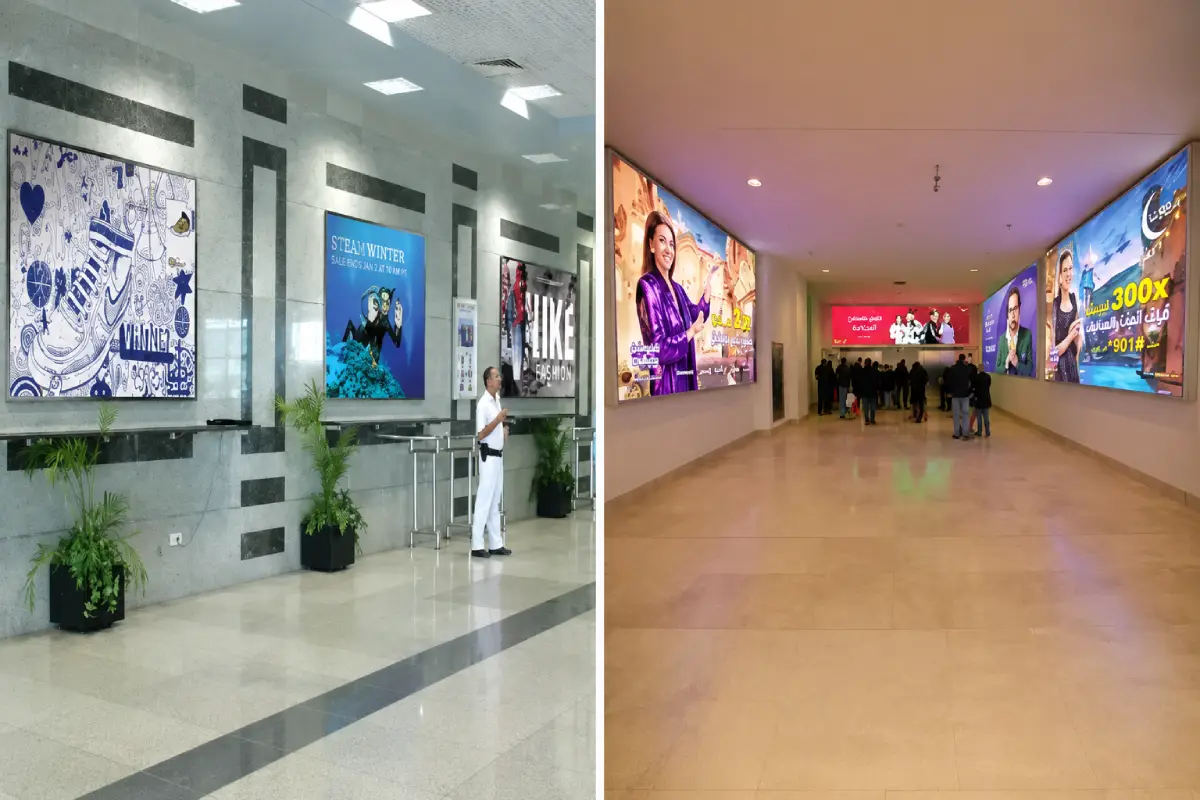
Mall & Airport Advertising in Egypt.
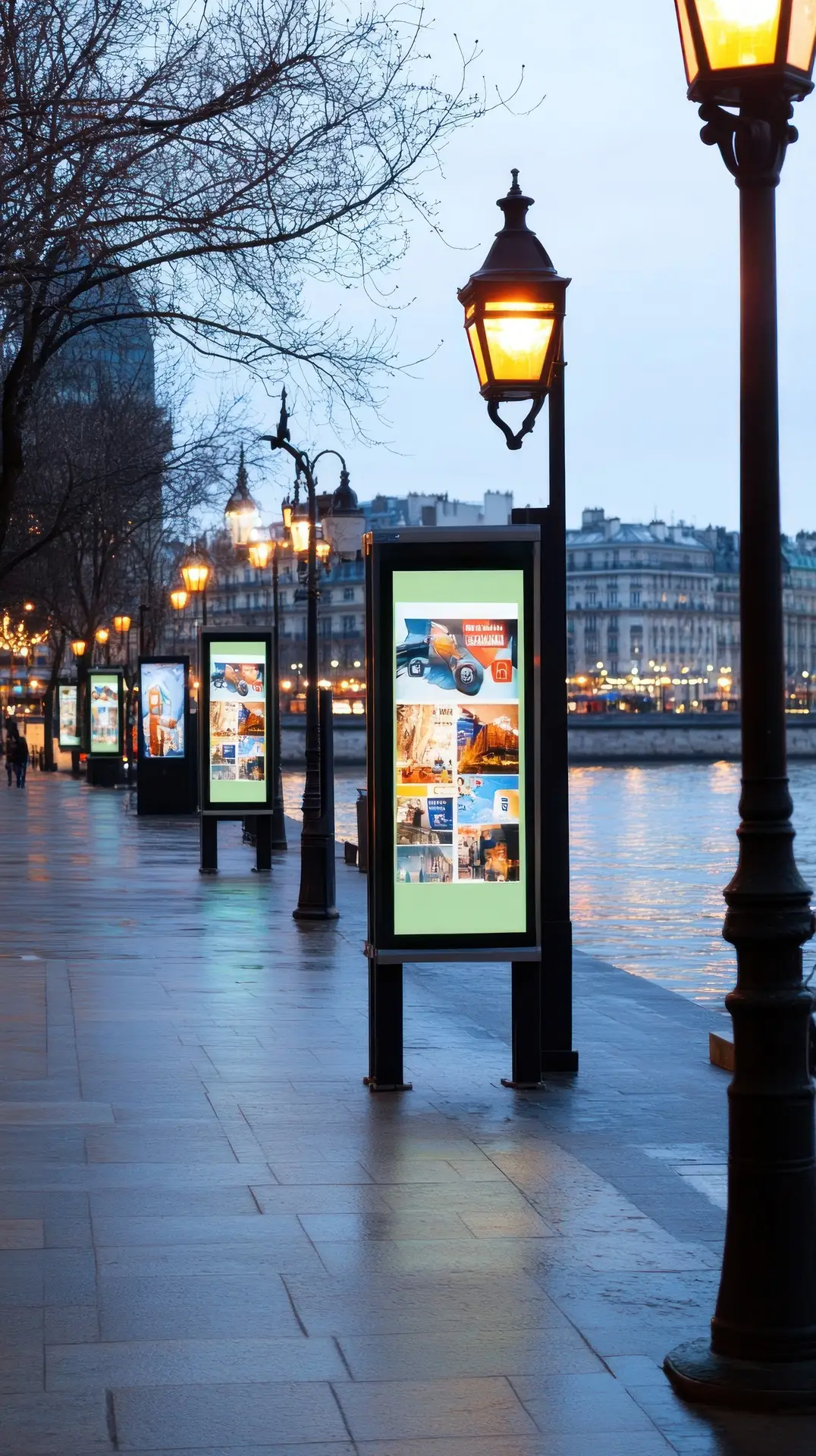
DOOH advertising in Egypt helps brands deliver dynamic messages in high-traffic public spaces.
Plan the Campaign Around the Right Budget
The goal is not to spend more. The goal is to spend smarter. A well-planned campaign should match the available budget with the formats and locations that can generate the strongest outcome.
We compare different scenarios, show where the budget creates the most value, and recommend a media mix that fits the campaign objective. For some brands, a focused network in the right areas works better than a large but scattered presence. If you want to understand how pricing works, you can start with
Billboard Prices in Egypt 2026.
How We Plan an OOH Campaign Professionally
1. Understand the business
We define the category, offer, market, and campaign objective before selecting any format.
2. Map the audience
We study movement, catchment zones, gathering places, and high-traffic areas relevant to the target group.
3. Choose the mix
We select billboards, DOOH, mall, transportation, and indoor options based on role and performance potential.
4. Optimize the spend
We build scenarios that achieve the target using the most efficient media investment possible.
Measure What Matters
A professional OOH campaign should be measured with business outcomes, not just media delivery. Depending on the objective, we look at footfall, brand recall, inquiries, scans, clicks, and sales impact.
When the campaign includes digital placements, we can also track QR usage, landing page visits, or direct engagement. This helps us improve the next wave of planning and turn outdoor into a continuous performance layer rather than a one-off activity.
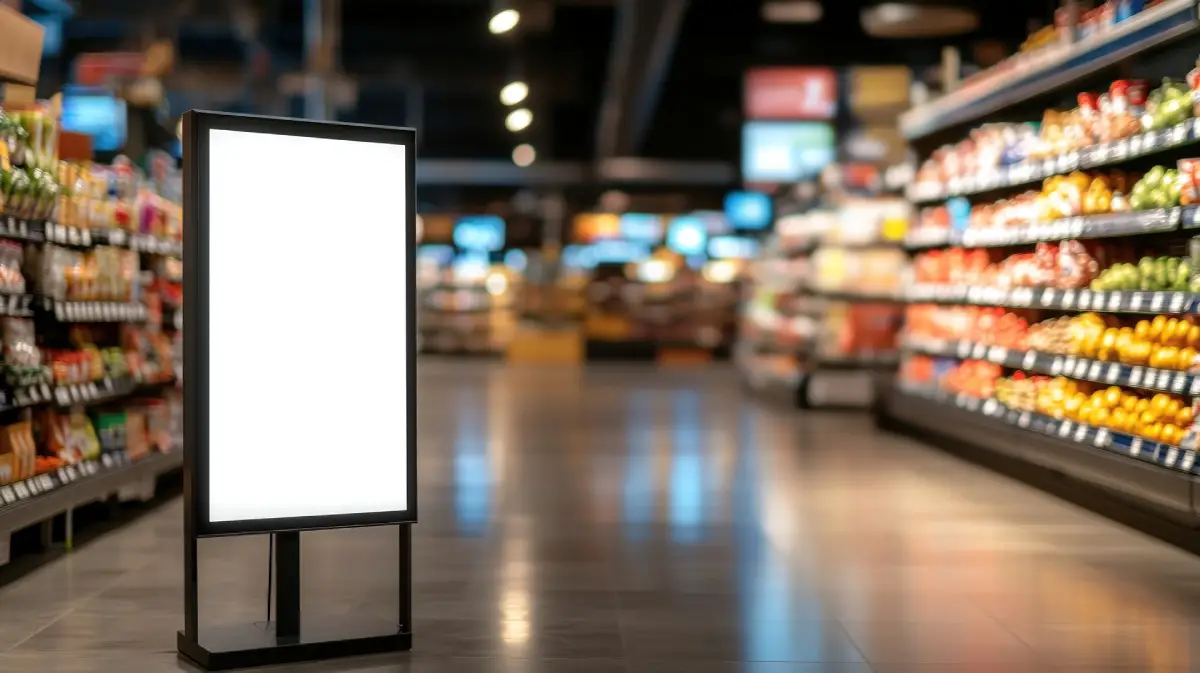
In-store advertising displays can be measured through visits, redemptions, and sales uplift.
Frequently Asked Questions
What is OOH media planning?
OOH media planning is the process of choosing the right outdoor formats and locations based on audience, goals, timing, and budget.
Why is audience mapping important?
Because the best outdoor media is not just visible — it is relevant to the people most likely to respond.
Which formats should I use?
The answer depends on the campaign goal. Billboards build reach, DOOH adds flexibility, mall & retail support decision-making, and indoor media offers targeted exposure.
How do you choose the right locations?
We evaluate congestion points, shopping zones, business districts, commuting routes, and gathering areas that fit the target audience.
Can you plan campaigns for a specific budget?
Yes. We build campaign scenarios that match your budget and prioritize the most effective media combination.
Build a Smarter OOH Campaign in Egypt
If you want an OOH plan designed around your business, your target audience, and the most suitable traffic and gathering points, Yafta Map can help you build the right media mix at the right cost – from billboards and DOOH to mall, airport, and indoor advertising.